

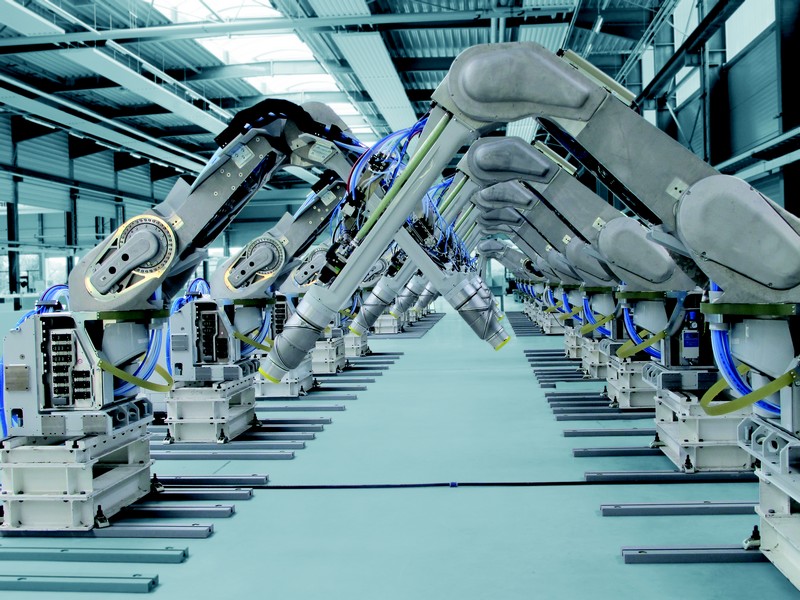
Robotic process automation (RPA) sounds like something you’d find in a modern assembly line, but it’s actually been around for a long time.
A series of mechanical arms working diligently to manufacture the product is, in many ways, RPA at work. The exception being that the robots are virtual machines capable of performing exponentially more tasks than their physical counterparts.
But, unlike the highly productive bots in the manufacturing plant, the true potential of RPA bots is currently limited to a relatively niche group of IT experts with the skills to manage them.
Fortunately, the emergence of a new application development platform called low-code is capable of controlling the complexities of RPA, signalling an era where RPA underpins the future of work.
The end of productivity
When you browse through most management journals today, you’ll come across economic data that points to a continual decline in worker productivity in recent years, particularly in developed economies.
The reasons are complex, but putting this in context, despite the advancements in IT (particularly in business), we are not fully taking advantage of the benefits that digital innovation brings.
This problem is true for even the more technical amongst us.
According to research from systems integrator Fujitsu, IT departments are struggling with increased IT automation. While acknowledging its importance, many IT leaders “admit they still have a long way to go” with IT automation.
If the techies are struggling to be more productive with tech, then what does this mean for everyone else? Are we at risk of reaching the end of productivity?
The simple answer is, no.
Ironically, to address the problem, we must first accept that many of the business processes implemented to increase efficiency have made workers less productive.
Boston Consulting Group’s Yves Morieux observed this in a study his firm conducted showing how complicatedness in US and European listed companies has over the past five decades increased on average by 6.7 percent a year.